
 Blog
Blog Iberian blackout 28 April 2025: 48 Hz in 3 seconds — Energy Pool analysis

On April 28, 2025, the Iberian Peninsula experienced a major blackout starting at 12:33 CET, with power outages lasting several hours.
While we await the official root cause analysis from REE (Red Eléctrica de España) and ENTSO-E, our flexibility experts at Energy Pool have gathered some initial thoughts based on what we know so far.
What We Know: 12:33, 48 Hz and power grid collapse in 3 seconds
A dramatic frequency drop — faster than existing protection mechanisms
Between 12:33:18 and 12:33:21 CET, the frequency of the Iberian Peninsula power system dropped to 48.0 Hz, leading to a system-wide collapse in under 3 seconds [1].
Three seconds is extremely fast — even by the standards of Frequency Containment Reserve (FCR), one of the quickest ancillary services used by Spanish TSOs and their neighbours (Portugal, France, and Morocco), which requires full activation within 30 seconds. While some assets can respond earlier, this event was significantly faster than what these mechanisms are typically designed to manage.
What This Reveals: Grid inertia ,FFR and interconnection limits
Low grid inertia: FFR in 1 second vs FCR in 30 seconds
Inertia — the physical resistance of rotating machines like turbines to sudden changes in frequency — plays a key role in stabilising the power system. The lower the inertia, the faster the frequency can deviate after a disturbance, leaving less time to react.
To address this, some regions such as the Nordic countries and Australia have implemented Fast Frequency Reserve (FFR) schemes, capable of reacting in about one second, much faster than traditional Frequency Containment Reserve (FCR). These solutions rely on energy storage and demand-side flexibility to provide ultra-fast response.
This evolving context also justifies investments in assets that can provide synthetic or real inertia — such as flywheels, synchronous condensers, or even Battery Energy Storage Systems (BESS) and electrolysers, which, beyond their main functions, can technically contribute to grid stability.
At Energy Pool, we are already addressing this challenge. In Japan, we operate PEM electrolysers under a regulatory framework requiring response times as short as 10 seconds — significantly faster than the 30-second standard in countries like France. We believe such assets can pave the way for even faster reserve services.
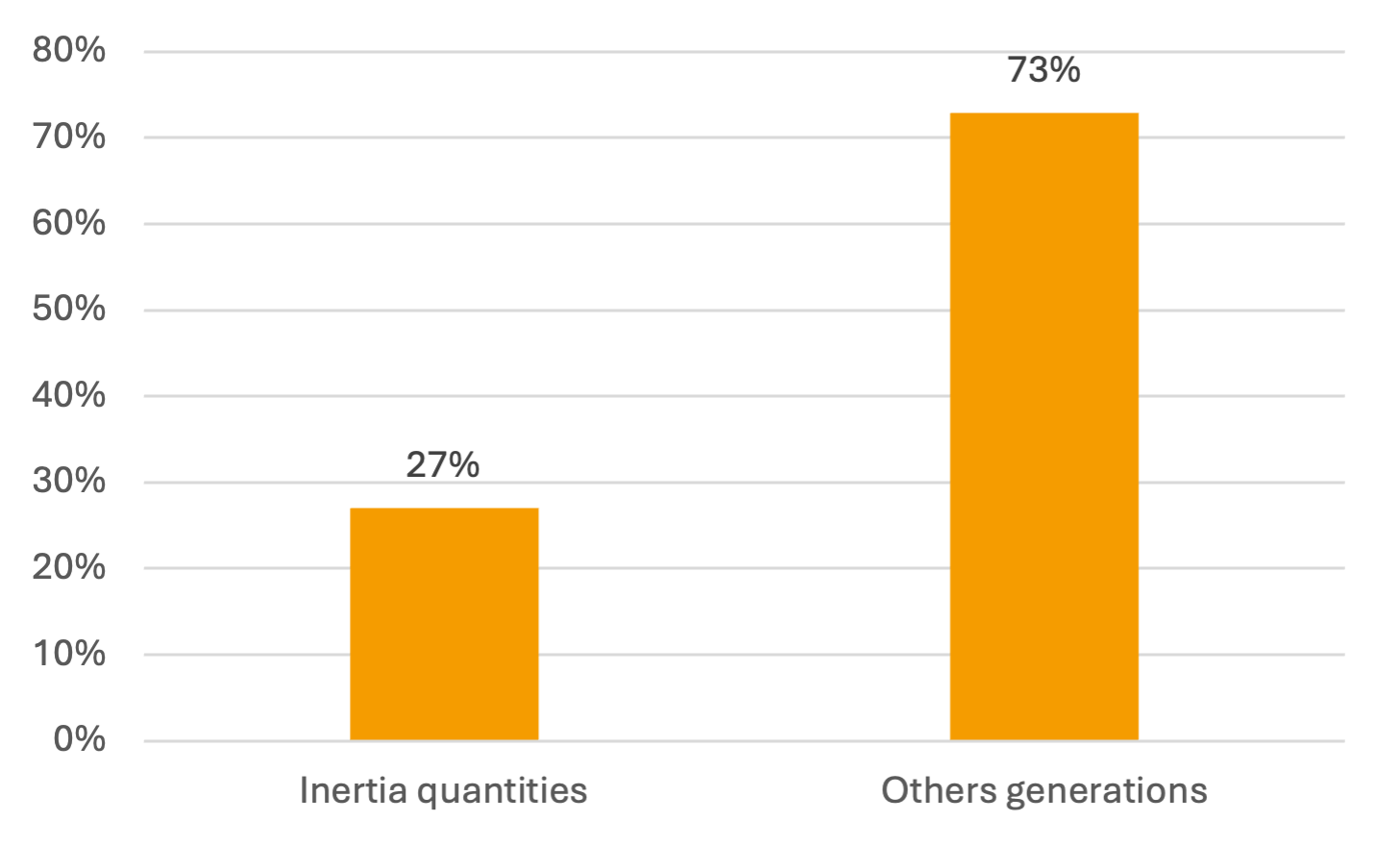
European grid interconnections: limits in extreme events
At 12:33:21, interconnectors with France and Morocco were disconnected to prevent a larger domino effect, accelerating the grid collapse.
The European grid provides stability and is an extraordinary advantage for Europe, but in extreme cases and as a matter of sovereignty, building local resilience remains essential.
Demand Flexibility : a ready solution for power grid resilience
Demand flexibility is a decentralised and sovereign resource, and can be deployed within months, based on existing assets. It can:
- Directly support grid stability with fast-reacting assets like BESS or electrolysers,
- Indirectly enhance inertia through improved dispatch of flexible gas assets (CCGTs).
It’s a mature, fast, and scalable solution — ready today.
With these points in mind, and with the humility the Iberian blackout calls for, Energy Pool will be working with the system stakeholders to suggest actionable actions by the end of summer to contribute to a more resilient European system.
Do you operate flexible assets — BESS, electrolysers or CCGTs — and want to contribute to grid resilience through demand response? Contact us to explore your potential.
